About     Services    Portfolio     Partners     Journal 

BORA Rough Hobs

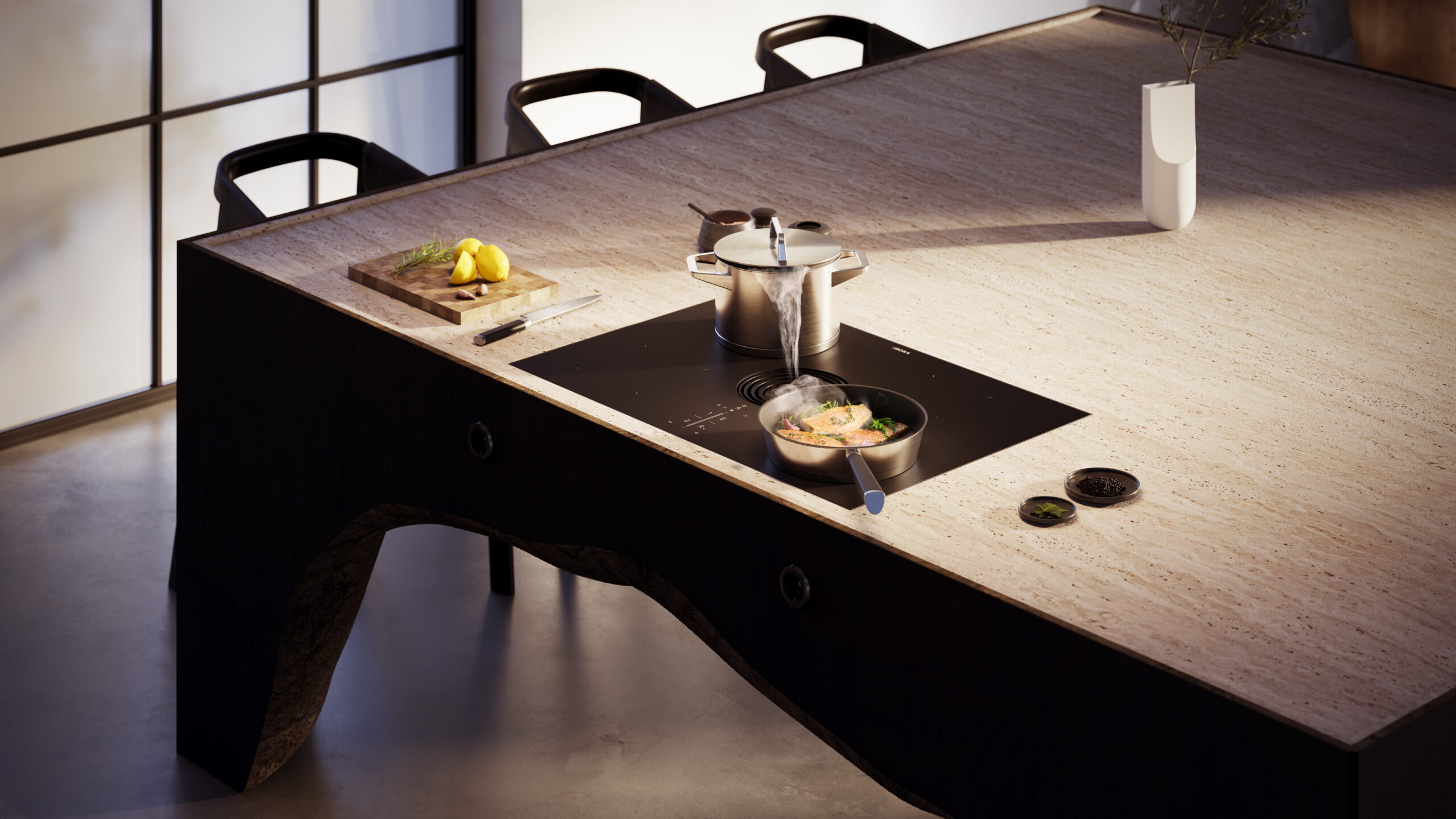
The BORA hob range has always been about rethinking how a kitchen works, but with the introduction of the new “Rough” finish, the brand has shifted just as much attention onto how a hob feels and wears over time as how it performs.

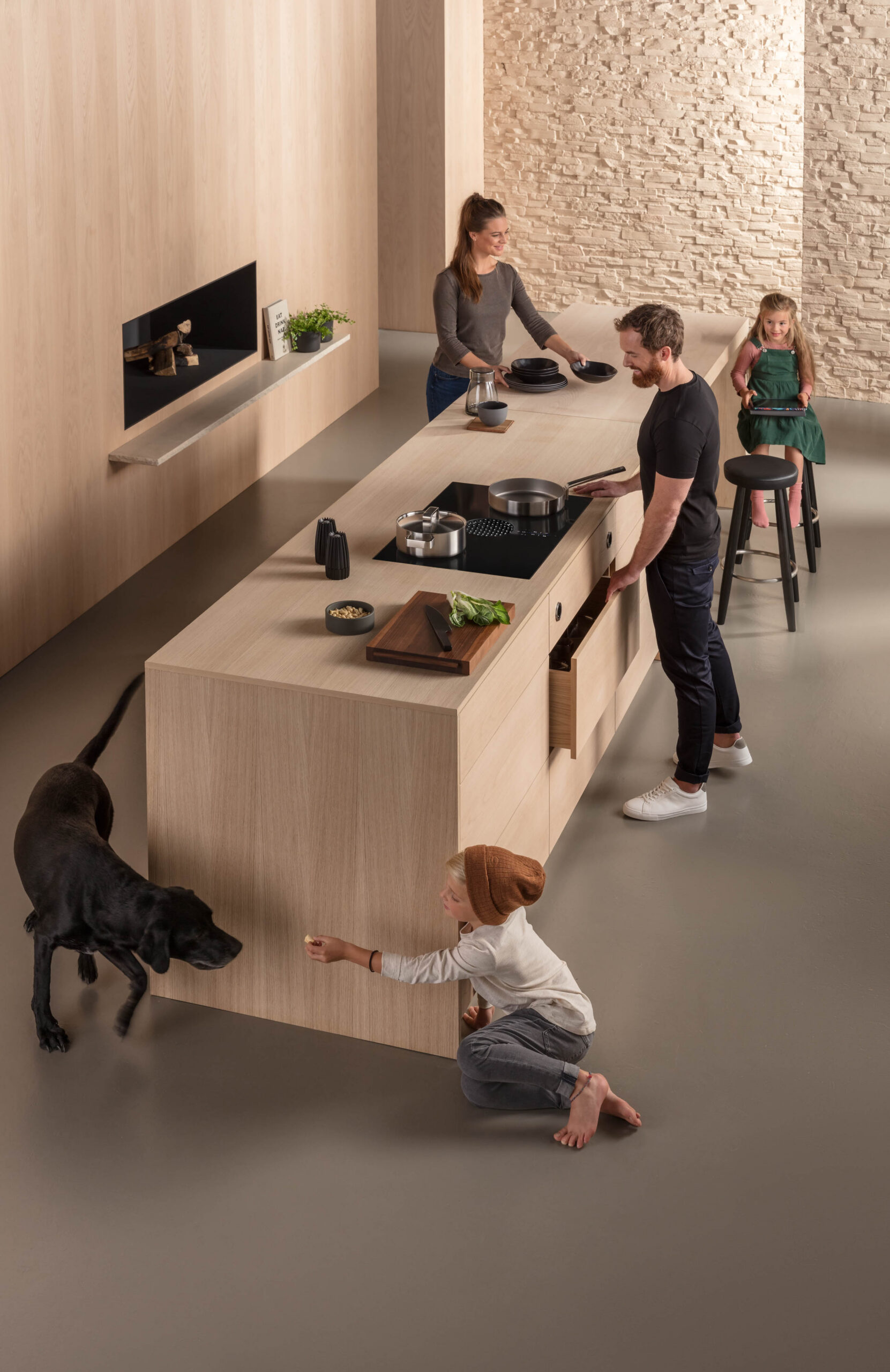
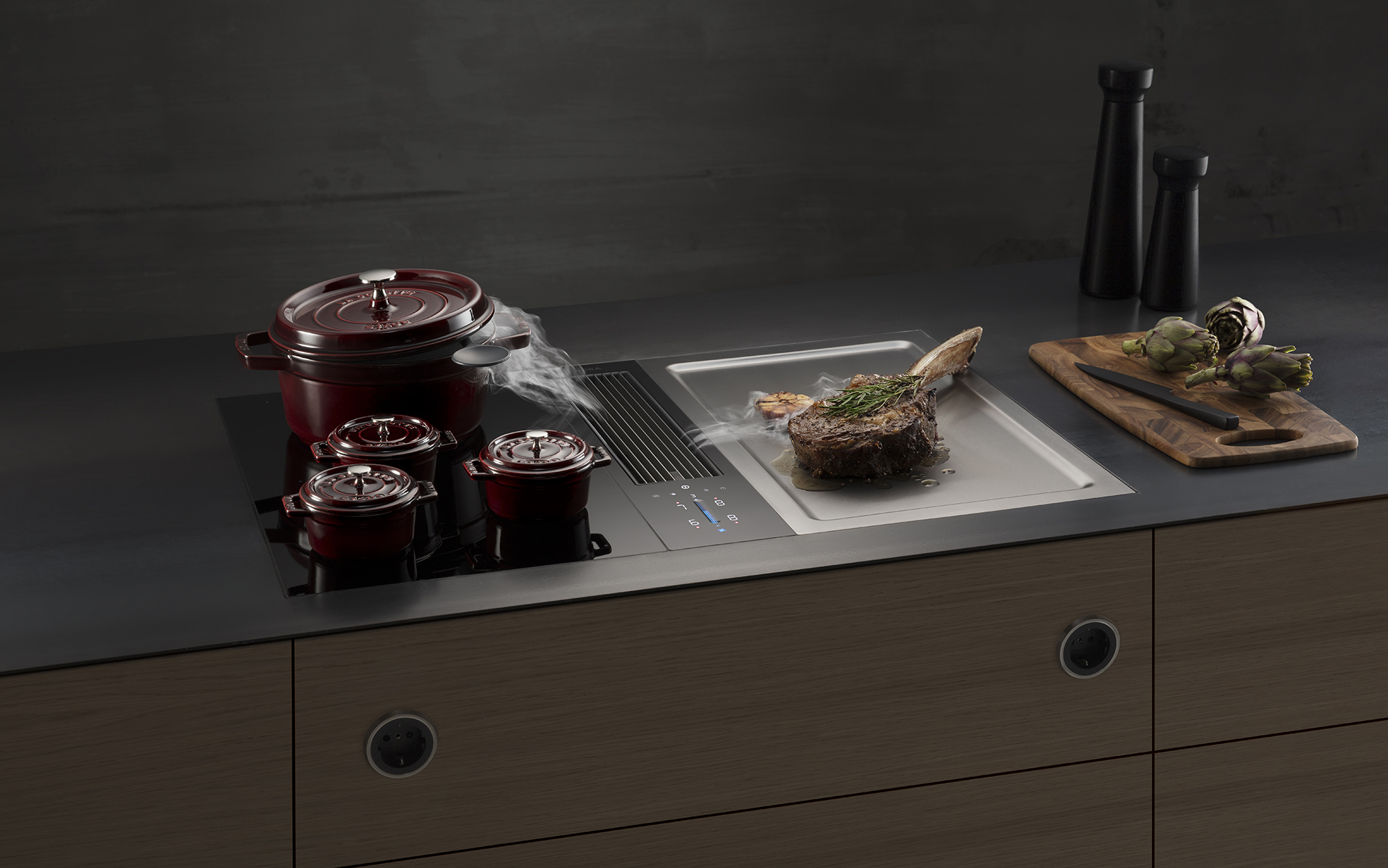
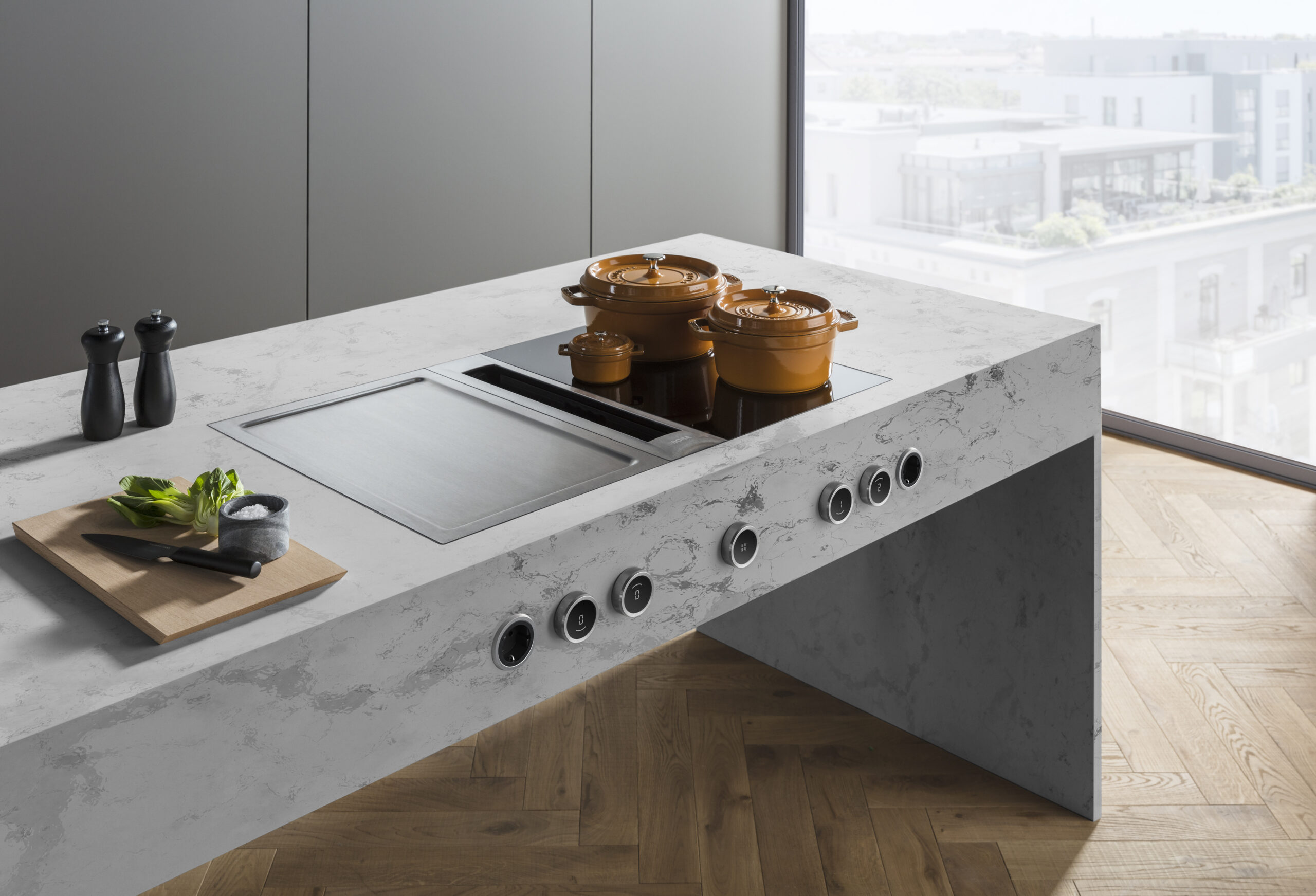
At a base level, BORA’s concept remains the same. Across models like Pure, S Pure and X Pure, the extractor is built directly into the hob surface, pulling steam and odours downwards at source. This eliminates the need for overhead extraction and allows kitchens—especially open-plan layouts—to feel cleaner, quieter and more architectural. Large, flexible induction zones and minimalist touch controls reinforce that design-led approach, turning the hob into a central, almost invisible part of the worktop.

Where things get more interesting is with the newer Rough surface, now available across much of the range. Instead of the traditional glossy black glass most people associate with induction hobs, BORA has developed a matte, slightly textured glass ceramic that fundamentally changes the day-to-day experience of using it.


Visually, the difference is immediate. The surface has a softer, more understated look that sits far more comfortably alongside modern matte kitchens and natural materials. It avoids the highly reflective, almost mirror-like finish of standard hobs, which can often dominate a space or clash with more muted palettes. But the real advantage becomes clear in use.

One of the biggest frustrations with traditional glass hobs is how quickly they show fingerprints, smears and fine scratches.

The Rough finish is specifically engineered to minimise these signs of wear. Its subtle texture diffuses light and helps conceal marks, meaning the hob looks cleaner for longer with far less maintenance. This is a small change on paper, but in a busy kitchen it makes a noticeable difference to how “finished” the space feels day to day.

There’s also a tactile element that sets it apart. The slightly grained surface gives a more secure feel under cookware, reducing the tendency for pans to slide and adding a sense of control when cooking. It’s a subtle shift, but one that aligns with BORA’s broader philosophy—refining not just performance, but the overall cooking experience.

Importantly, this finish isn’t limited to a single model. Whether it’s the compact Pure systems or higher-end options like the Professional range, the Rough surface has been rolled out widely, suggesting it’s not just a design experiment but a long-term direction for the brand. Even flagship models now pair this textured matte glass with features like oversized induction zones, automatic extractor control and intuitive touch interfaces, keeping performance consistent with earlier versions while improving durability and usability.

As for extraction, BORA systems can still be configured as either ducted or recirculating, depending on the project. Ducted setups vent air outside and are typically preferred where possible, while recirculating systems filter and return air to the room, making them easier to install in apartments or retrofit kitchens. In practice, both options work effectively within the BORA system, and the choice usually comes down to installation constraints.  We are the only company in Ireland stocking the full BORA ducting range.

Overall, the Rough finish feels like a natural evolution of what BORA has been aiming for all along. It doesn’t radically change how the hob functions, but it significantly improves how it integrates into everyday life—less cleaning, fewer visible marks, and a more refined, tactile presence. In a market where many appliances compete on features alone, it’s a reminder that materiality and user experience can be just as important.